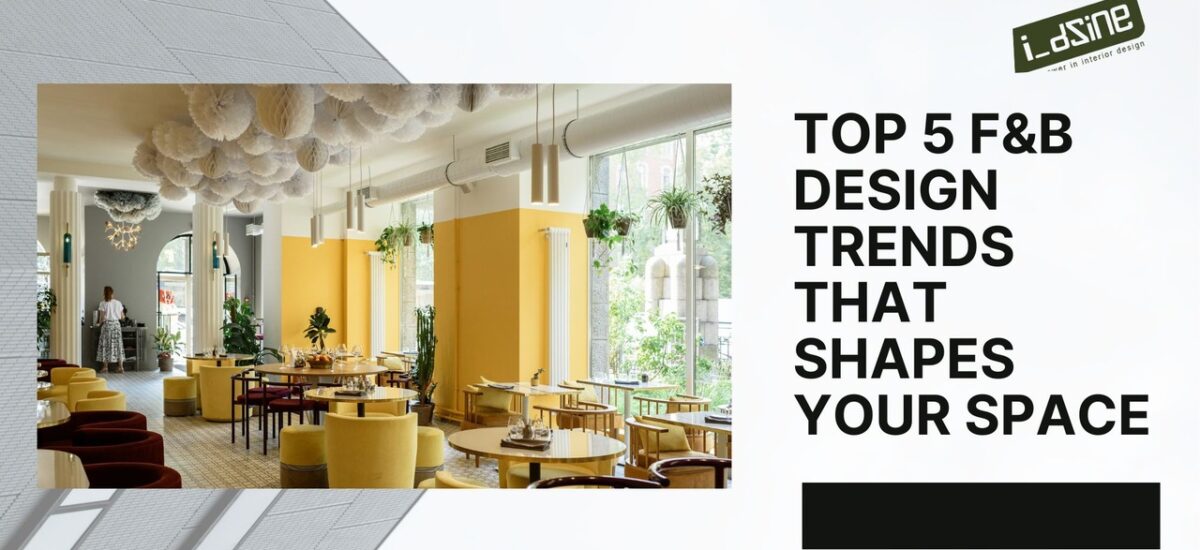
If you decide to enter the F&B industry, you will want to keep up with the F&B design trends. Whether you are opening a restaurant or a cafe, interior design is essential in creating memorable dining experiences. Also, it helps your business to stay ahead of the curve.
People are expecting more than just having meals to satisfy their tastes. A good interior design can create a great atmosphere for diners to enjoy. It will be better if it is Instagram-worthy, which can help to boost your business.
Diners have a growing interest in aesthetics and ambiance, leading to an exciting fusion of food and design trends shaping how we experience restaurants and cafes. In this article, we will explore the top F&B design trends that can shape your space and elevate your establishment to new heights.
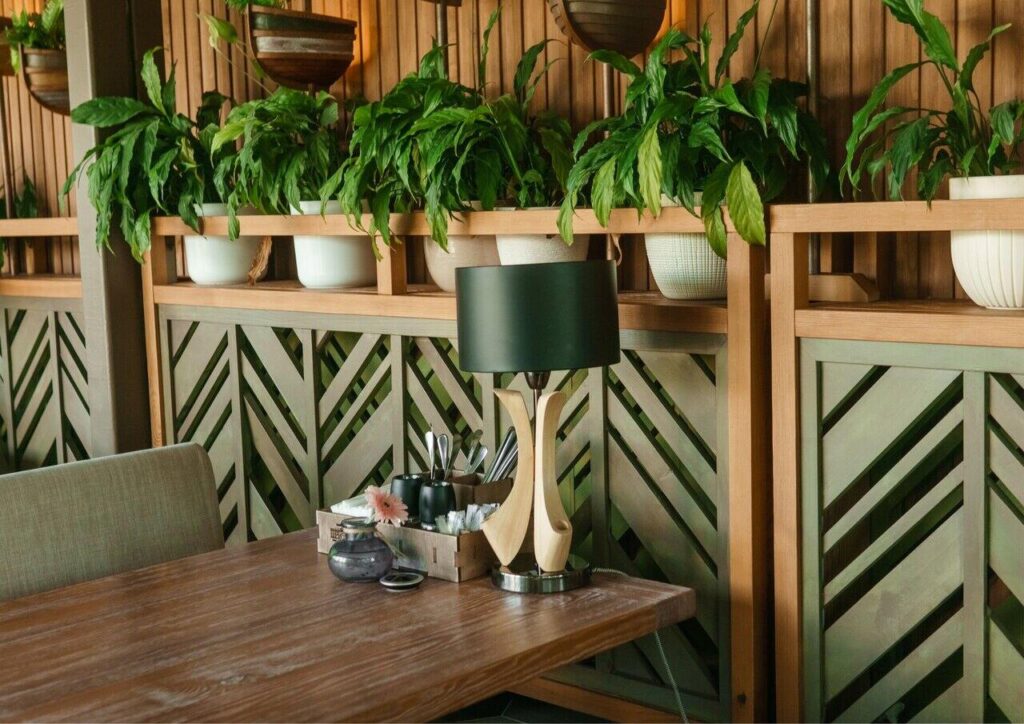
Biophilic design is a concept that has gained significant traction in the architecture and interior design industry. This innovative approach seeks to reconnect people with the natural world by incorporating elements of nature into the built environment. Biophilic design is about creating environments that foster well-being, reduce stress, and enhance creativity and productivity.
Designers will be maximizing the use of natural light by using large windows and skylights. It reduces the need for artificial lighting and also connects diners with nature. Sunlight provides a dynamic and ever-changing element to interior spaces.
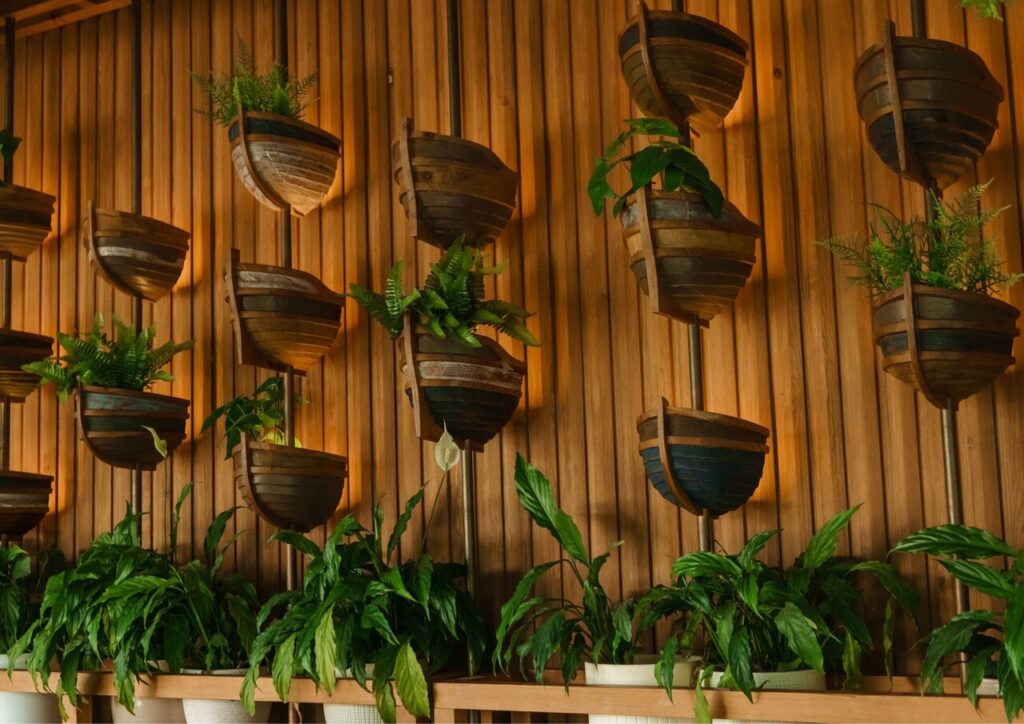
Incorporating indoor plants is one of the most recognizable features of biophilic design. Plants improve air quality, add visual interest, and create a sense of vitality. Using natural materials like wood and bamboo in interior design can bring the textures and colors of the outdoors inside.
The principles of biophilic design offer a holistic approach to creating spaces that promote a deeper connection with nature and enhance the quality of life.
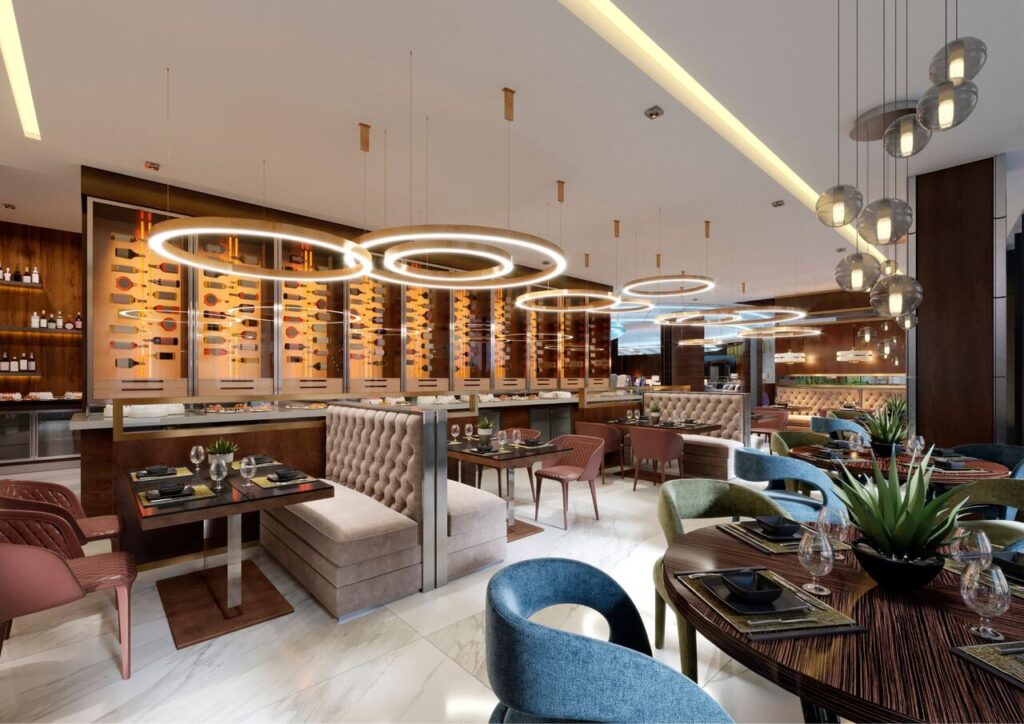
The on-brand design focuses on creating visual elements and materials that align with and reinforce a company’s brand identity. It involves consistently designing ensuring that all visual elements, from logos and color schemes, reflect the brand’s values, personality, and messaging. It helps to establish and maintain a strong and recognizable brand presence in customers’ minds.
One of the primary goals of on-brand design is to maintain visual consistency across all touchpoints. This means using the same colors, fonts, logos, and design elements throughout all marketing materials. Consistency helps build brand recognition and trust.
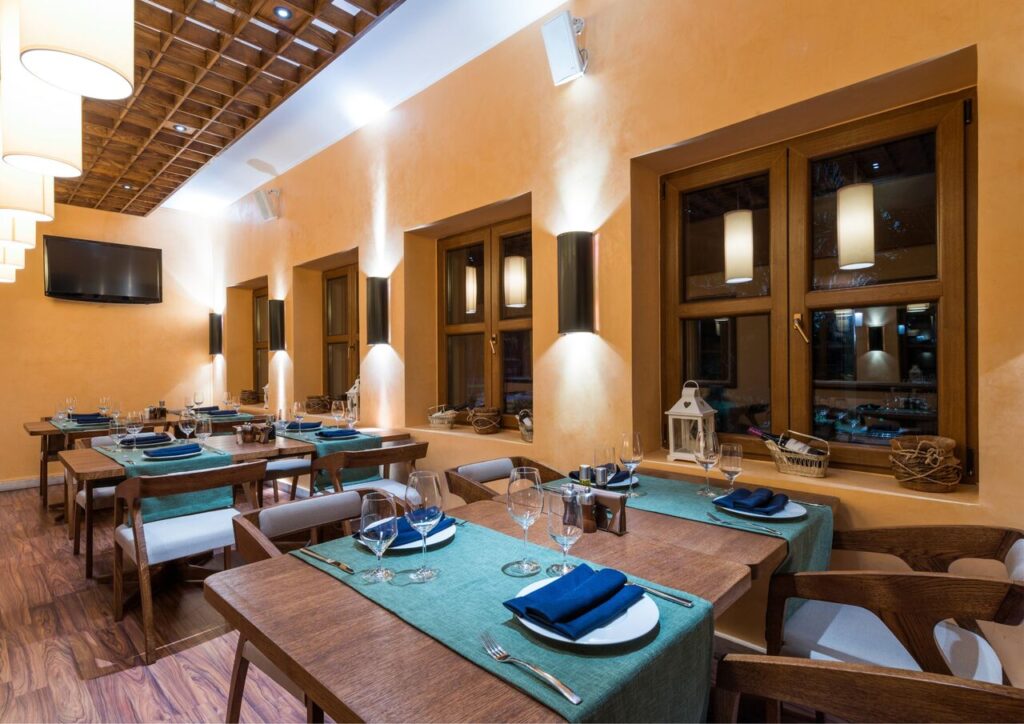
When designing your restaurant, it should reflect your brand’s core values and mission. If your company is going for eco-friendly, you might want to incorporate sustainable design elements and earthy colors into your branding.
On-brand design helps in building a strong brand identity. It helps consumers recognize and trust the brand, enhances brand recall, and fosters a sense of loyalty. When done effectively, it helps shape your business and how it is perceived in the market.
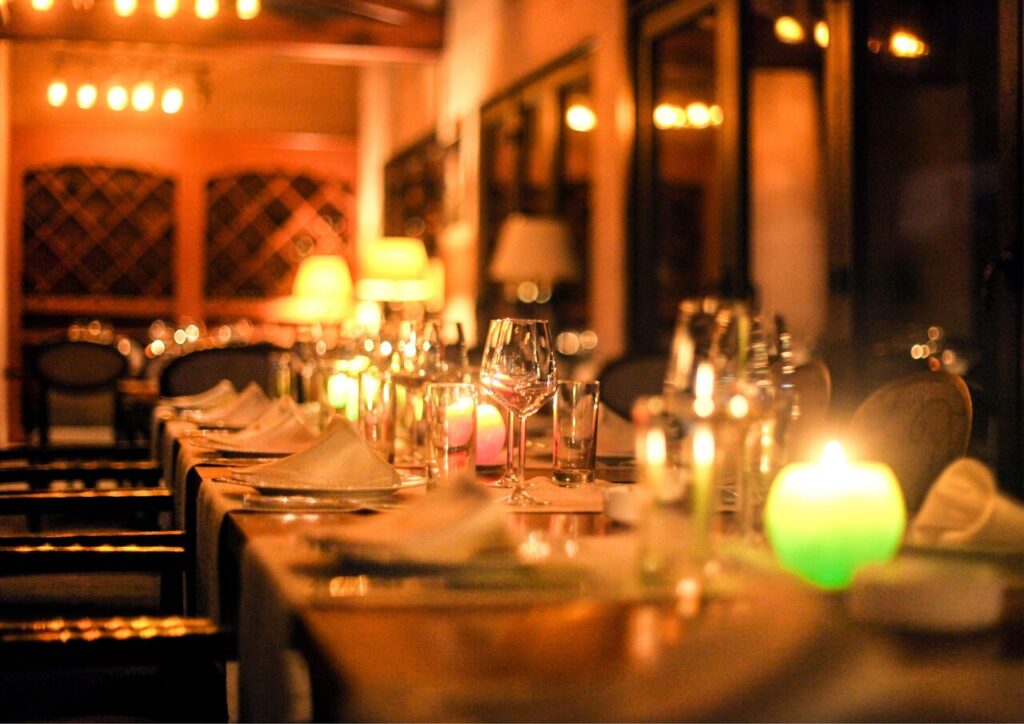
Experiential dining is a dining concept that goes beyond merely providing a meal. It offers customers a unique and immersive culinary experience. This type of dining is designed to engage all the senses, creating memorable and often interactive moments that extend well beyond the food itself. Experiential dining is gaining popularity as consumers seek more than just sustenance. They desire entertainment, novelty, and a deeper connection to the dining experience.
Many experiential dining experiences incorporate interactive elements, such as chef’s tables, where diners can watch the culinary preparation up close, or immersive dining events, where diners actively participate in the cooking process.

Wine and cocktail pairings, as well as non-alcoholic beverage pairings, are curated to complement the flavors and sensations of the dishes. This enhances the overall dining experience. Unexpected elements or surprises are often woven into the dining experience. This could be a hidden course, a change in ambiance, or a special treat.
This approach to dining has gained popularity. Its commitment to providing diners with an unforgettable and immersive journey beyond traditional restaurant dining sets it apart. It appeals to those looking for more than just sustenance.

Vintage revival is a design and cultural trend that celebrates and incorporates elements from past eras, particularly styles, and aesthetics from the mid-20th century. This revival movement is characterized by a renewed appreciation for the charm, craftsmanship, and nostalgia associated with vintage items, fashion, decor, and design.
Vintage revival draws inspiration from specific historical periods, such as the 1920s, 1950s, or 1970s. Each era has its unique design elements, colors, and cultural influences. Vintage revival often involves the use of retro decor items and furnishings that capture the essence of a particular era. This can include mid-century modern furniture, art deco lighting, or Victorian-style textiles.
Vintage revival is often about blending old and new elements to create a harmonious and balanced design. This fusion of eras can result in unique and visually appealing spaces.
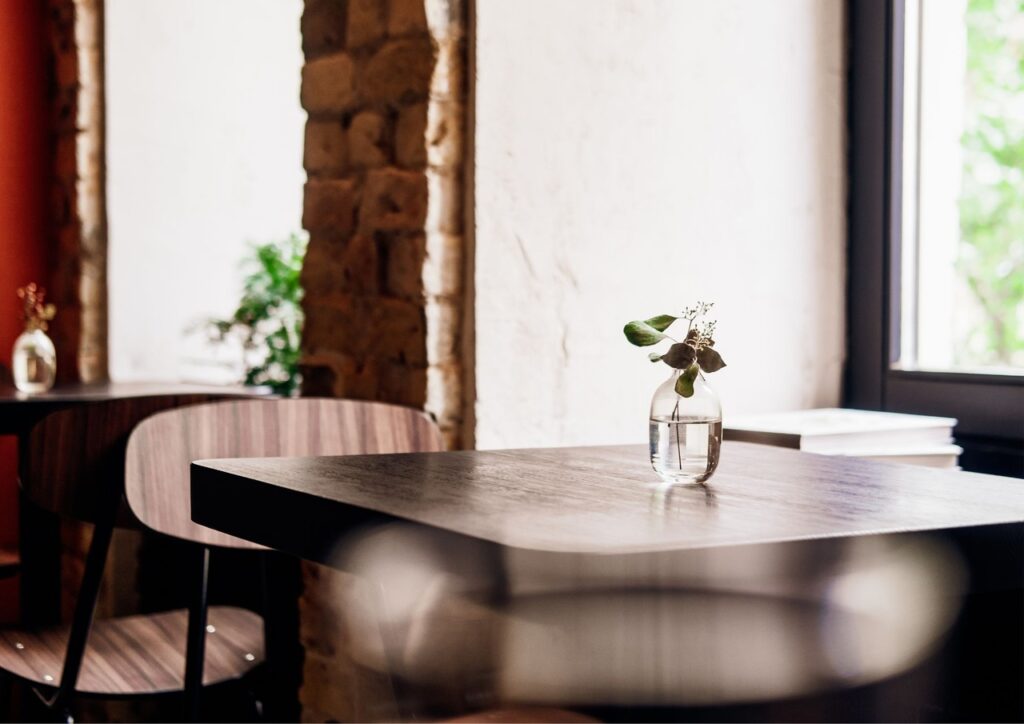
Minimalism focuses on simplicity, clarity, and the essential aspects of restaurant and cafe interiors. This design approach emphasizes the “less is more” philosophy, creating spaces that are uncluttered, visually appealing, and functional. This design strives to elevate the dining experience by paring down excess decoration and distraction, allowing the meals to take center stage.
The color palettes for minimalism often use blacks, grays, and whites. These colors create a serene and timeless ambiance. Furniture and architectural elements typically feature clean, straight lines and geometric shapes. Tables, chairs, and fixtures are chosen for their functionality and simplicity.
Minimalist design often incorporates open layouts that promote a sense of spaciousness. This allows for easy movement and creates a comfortable dining environment.
Minimalist design is favored for its ability to create an elegant and tranquil dining environment that allows patrons to focus on the quality of meals. It aims to provide a sophisticated and refined dining experience by reducing visual distractions and emphasizing simplicity.
The world of food and beverage is evolving, and so is how we experience it. These top F&B design trends reshape restaurant and cafe spaces, offering diners more than just a meal – providing an immersive and memorable experience. So, are you ready to embrace these trends and elevate your dining adventures?

Need help with interior design? I-dzine is your answer to it. We are experts in transforming space from virtual to reality. Our expertise in renovation design, oversight, and management ensures that your property is well-designed. We relentlessly focused on delivering meticulously created, beautiful, functional designs.