


The art of ambience can be achieved by mastering the decor and design of your restaurant. By doing so, it can help to create a successful establishment that does not just look its best, but also functions at high efficiency. Here are some ways to master the decor and design of your establishment.
Art Of Ambience 1: Defining Your Concept And Theme

The art of ambience starts with a clearly stated idea and theme, mastering restaurant décor and design. More than just a visual statement, the identity of a restaurant should tell a story, provoke feelings, and mesh organically with the overall dining experience and food.
The style of a restaurant, be it a traditional Italian trattoria, a sophisticated contemporary bistro, or a lively Asian fusion spot establish customer expectations. This essence should be seen in every style decision, from furniture choice to colour schemes and lighting. A casual cafe thrives on inviting seating, warm tones, and comfortable wooden textures, while a high-end dining place benefits from opulent materials such marble and velvet, soft ambient lighting, and a sophisticated colour scheme.
A strong motif affects branding as well as aids the ambience from menu design to staff uniforms to even the social media profile of the business. Unity is essential — everything working together produces an environment in which the dining experience is maximised. Decoration telling via decor, for instance showing old culinary tools in a heritage-inspired restaurant or including artwork from different cultures in an ethnic eatery adds to authenticity.
A well-done theme assists customers to relate with the room, therefore enhancing the memorability of their visit. Guests who feel a restaurant’s atmosphere is in line with its food and service are more inclined to come back and suggest it to others. In essence, mastering restaurant ambiance first and most essentially depends on clearly defining a powerful idea and theme.
Art Of Ambience 2: Optimise Spatial Layout
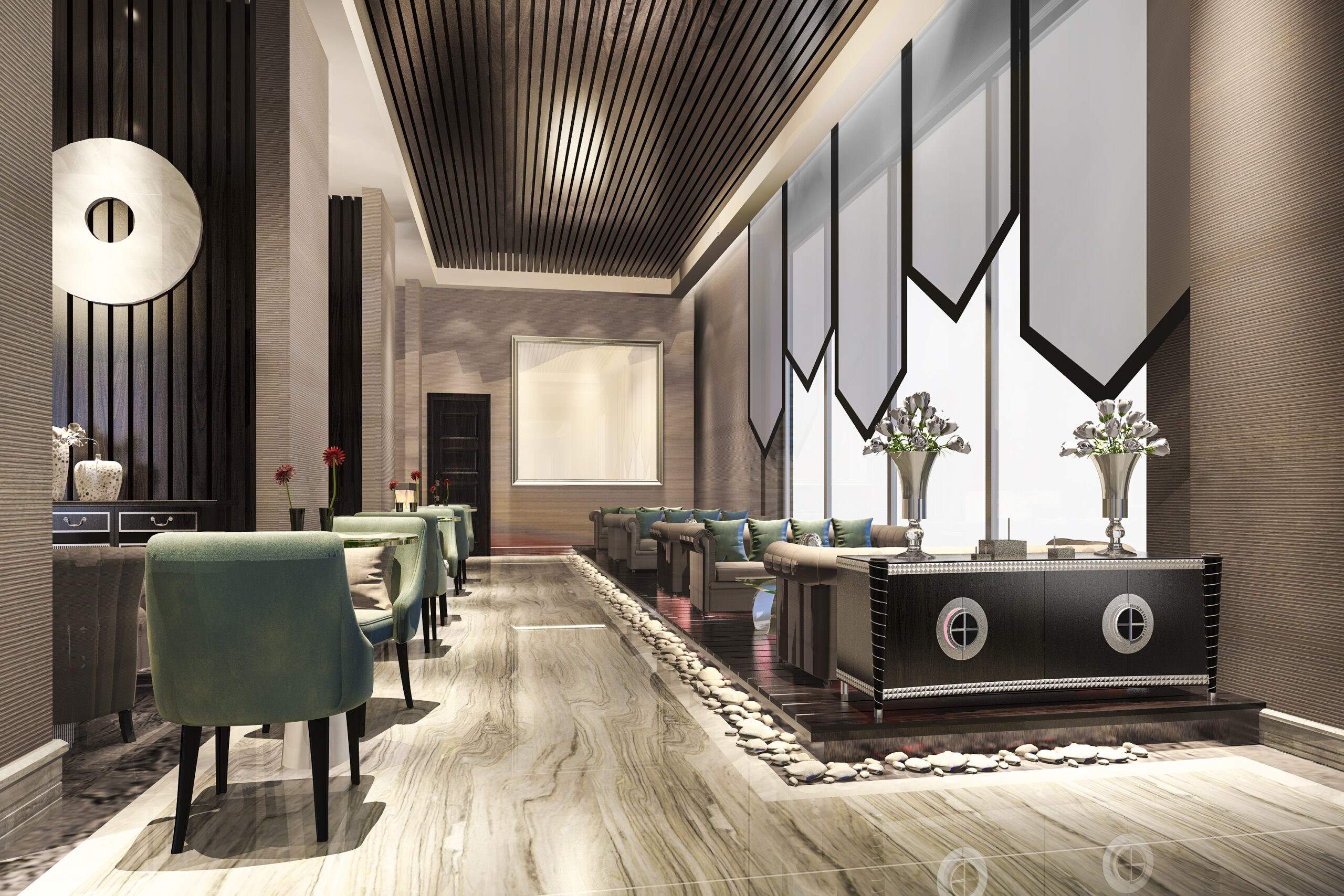

Fundamental to establishing a restaurant ambience that is welcoming and practical is a well-optimised spatial layout. Seating, paths, and service areas should be meticulously planned to allow for a smooth dining experience for guests while maximising operational quality.
The secret is to find a balance between comfort and ability; tables should be spaced appropriately to allow privacy without squandering important square footage. Essential is careful zoning that defines different dining spaces for small meetings, group meals, and much more informal experience including bar seating. Both consumers and staff need a smooth traffic flow; straight paths should help to avoid traffic therefore enabling fast server movement and guest comfort.

Flexible furniture layouts also improve flexibility by allowing the room to support private events, significant groups, or seasonal changes in consumer demand. Including an unopened kitchen, a centre of interest, or a feature wall helps to define the room and guide the viewer without cluttering it. Highlighting particular spots, such accentuating a warm corner or a lively bar section, would further enhance the layout, so this should go along with the decor.
An intuitive floor plan not only improves usability but also significantly influences the general dining encounter. Restaurants set the stage for a friendly, simple feel by means of spatial design choices that guarantee staff can run efficiently and customers are comfortable, therefore improving the appeal and environment of the establishment.
Art Of Ambience 3: Prioritise Comfort And Functionality

The proper restaurant decor and design correspond to the art of ambiance is striking the right balance between beauty and utility; comfort and usefulness are also very important. From the seating options to the general layout, guests should feel at ease as soon as they walk in.
Proper cushioning on ergonomic seating assures that patrons can have their food free of discomfort; well-sized tables offer plenty of room for personal effects, plates, and drinks. Carefully planned routes let employees move freely without disturbing the dining experience, thereby improving service speed and flow. Comfort is also supported by acoustics; for example, sound-absorbing components like curtains, upholstered furniture, or acoustic panels reduce unwanted noise and therefore produce a more close atmosphere.
Just as vital is climate control; allowing guests to be comfortable throughout their stay depends on good heating, air conditioning, and ventilation. Functional lighting helps to brighten surfaces without being strong, so improving both visibility and mood. Another important consideration is access — restaurants should offer ramps, broad aisles, and relaxing seating options to accept all customers, including those with handicaps.
Clean and well-kept bathrooms also show dedication to guest comfort and cleanliness. Even minor aspects including the arrangement of coat racks, purse hooks, or charging stations will improve comfort and convenience. A restaurant that, aside from looking lovely, creates a warm and pleasurable environment that encourages clients to return results from every design decision that emphasises guest experience while preserving operational efficiency.
Art Of Ambience 4: Stay On Trend But Stay Timeless
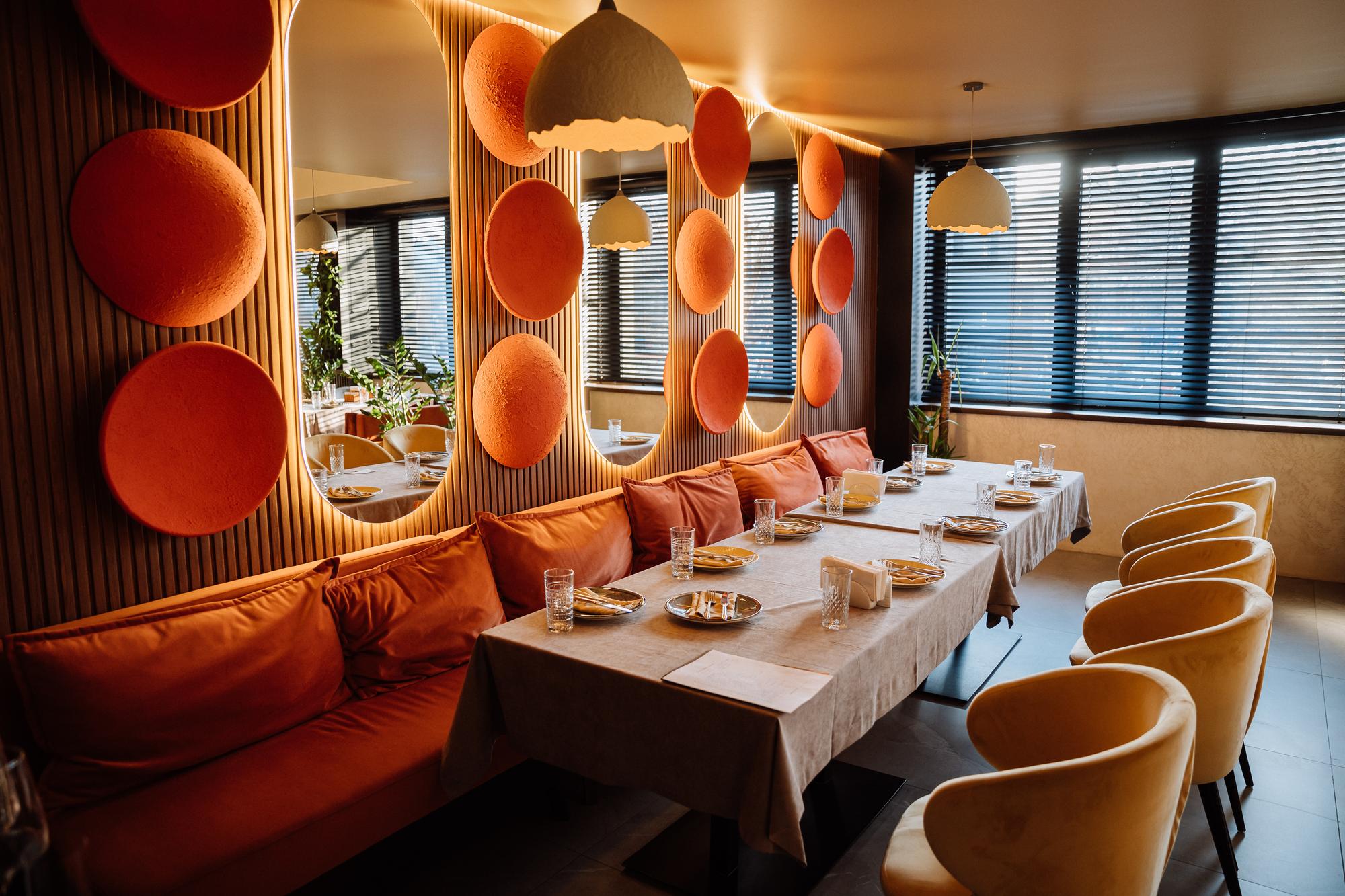

As with any artistic work, the art of atmosphere, mastering restaurant decor and design hinged on staying on trend but remaining timeless. Although fashions offer a modern charm, classic components guarantee durability and continuity.
The key is striking a balance between using trendy, current elements and not letting the space feel obsolete in a couple of years. By layering in trendy touches like statement lighting, bold art, or seasonal decorations and using neutral base components including classic furniture, high-quality materials, and flexible colour schemes, restaurants can achieve this. A minimalist foundation with flexible design elements lets for simple changes without need a total revamp. Moreover, purchasing long-lasting, well-made furniture instead of passing fads helps to preserve elegance and comfort.

Dynamic yet lasting is the result of textures, natural elements, and a blend of modern and traditional aesthetics. Pendant lights or LED accents, along with other lighting developments, will help to set the mood without erasing the character of the establishment. In the same way, technology such digital menu or smart lighting could transform the room while staying flexible to next advancements. Restaurants can design a room using carefully selected decor that shows contemporary preferences but maintains classic sophistication to make it feel modern, welcoming, and relevant for years to come.
This strategy helps to create an atmosphere that appeals to clients of all ages and supports a unique dining experience that develops but maintains its core essence. A well-balanced design keeps a restaurant visually appealing, functionally effective, and constantly in style.
Art Of Ambience 5: Blend Indoor And Outdoor Spaces
Effortlessly incorporating outdoor and indoor areas elevates the ambience of a diner by helping it to provide a dynamic and engaging dining experience.A carefully planned shift between these zones enables guests to enjoy the best of both worlds — comfortable interiors with the energising appeal of outside elements.
By means of large windows, retractable walls, and vast glass doors, the illusory boundary between interior and outside spaces is melted to give openness, natural light, and stunning view. Outdoor seating options like patios, rooftop terraces, or garden courtyards raise versatility so making the restaurant more welcoming and appropriate for a range of events. Including shading possibilities including pergolas, umbrellas, or retractable awnings shields one acquires from intense sunlight or soft showers and helps to increase comfort.
Creating a relaxed, organic environment, thoughtful decoration such vertical gardens, potted plants, or abundant greenery adds a bit of nature. Warmth and character are supplied by water features, string lights, and fire pits, which together make the area visually inviting and comfortable. The seating choices should be stylish but also weather-resistant, is should the furniture balance usefulness and appeal. Including outdoor heating or cooling systems also guarantees usage all year.
Uninterrupted indoor-outdoor flow promotes guests to stay longer, thereby increasing income and consumer satisfaction. Blending indoor and outdoor areas lets restaurants maximise ambience, produce a unforgettable ambiance, and differentiate themselves in a cutthroat industry whether through an open-air dining idea or a flexible hybrid arrangement. This design philosophy helps to create a distinctive, welcoming ambiance that draws customers and increases beauty.


Need help with interior design? I-dzine is your answer to it. We are experts in transforming space from virtual to reality. Our expertise in renovation design, oversight, and management ensures that your property is well-designed. We relentlessly focused on delivering meticulously created, beautiful, functional designs.